Mind Gym: How 2048, Minesweeper, Ludo & Go Fish Train Logic
Casual puzzle and strategy games are fantastic cognitive exercises. They sharpen spatial pattern recognition, deduction under uncertainty, long-term risk assessment, working memory, and quick analytical calculation.
1. 2048: Corner Anchor Tactics
In 2048, sliding matching numbers together combines them into higher values (2 -> 4 -> 8 -> ... -> 2048).
Keep Your Highest Tile in a Fixed Corner: Choose one corner (e.g., bottom-left) and build your snake of descending numbers around it.Never Swipe Away from Your Corner: Swiping in the direction away from your designated corner breaks your tile chain and spills low tiles behind your main stack.Row Packing: Keep your primary row filled with 4 tiles at all times to prevent high tiles from shifting.Spatial Planning: Anticipate 2 moves ahead to ensure newly merged tiles land in your target row.
2. Minesweeper: Logical Deduction and Probability
In Minesweeper, numbered cells indicate how many hidden mines touch that tile.
Look for Standard Patterns: A 1-2-1 sequence along a wall means mines are guaranteed under the tiles corresponding to the two 1s.Clear Guaranteed Safe Squares First: Never guess until all strict logical deductions are exhausted across the grid.Use Chording: Middle-click numbers with full flags to quickly pop open safe tiles.Deduction Processing: Practice isolating variables across intersecting rows and columns.
3. Ludo & Go Fish: Board Control and Memory
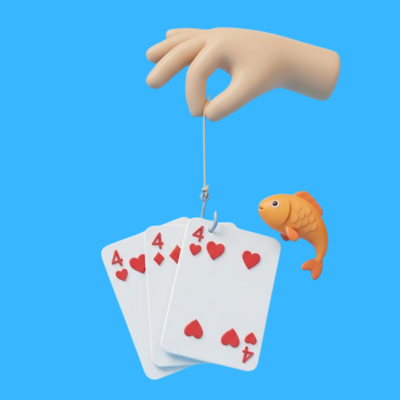
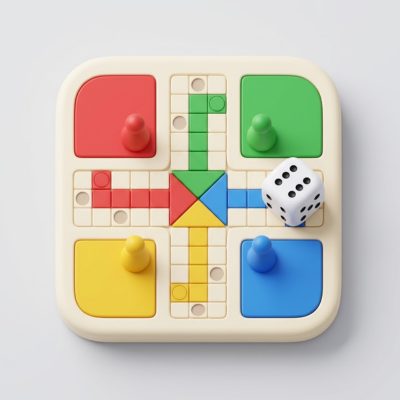
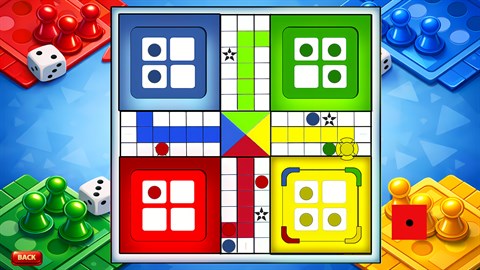
Ludo Strategy: In Ludo, balance advancing your lead token with leaving safety blocks on star squares to trap opposing tokens.Go Fish Tactics: In Go Fish, track opponent requests carefully to remember who holds matching rank pairs and complete 4-card books!Memory Retention: Multi-card tracking builds short-term working memory capacity.
4. Cognitive Benefits of Daily Casual Puzzle Sessions
Scientific studies show that playing 15 minutes of casual logic puzzles daily improves:
Spatial Reasoning: Manipulating grids in 2048 and Minesweeper enhances 2D layout visualization.Working Memory: Tracking opponent requests in Go Fish and Ludo keeps short-term recall sharp.Risk Evaluation: Deciding when to double down or make safe moves builds disciplined decision-making.Focus and Flow: Engaging in structured puzzle tasks promotes deep mental focus and stress reduction.Pattern Recognition: Recognizing tile formations accelerates visual processing speed.Mental Agility: Switching between card, puzzle, and board game mechanics strengthens cognitive flexibility.
Frequently Asked Questions (FAQ)
Q: Which casual web game is best for brain training?
2048 and Minesweeper are unmatched for spatial logic and deduction, while Go Fish and Ludo strengthen working memory and risk management!
Q: Are all puzzle games free to play on Unicorn Games?
Yes! Access the full catalog of puzzle and strategy games unblocked on Unicorn Games!
Summary Recommendation:
Set aside 10 to 15 minutes each morning to alternate between single-player logic puzzles and strategic board games for optimal cognitive cross-training!
Elevate your puzzle gaming session right now:
Play 2048 GamePlay MinesweeperPlay Ludo ClassicPlay Go Fish